Vintage Native American Bolo Ties: An Essential Buying Guide
Updated 2026-06-18
A vintage Native American bolo tie is more than just an accessory; it's a wearable piece of art and cultural heritage. Originating in the Southwest United States, these distinctive neckties typically feature a decorative central slide held by a braided leather cord, fastened with ornate silver tips. They embody the rich artistic traditions of various tribes, offering a unique blend of style and history.
Key Features of Vintage Native American Bolo Ties
When seeking a vintage Native American bolo tie, several key features distinguish authentic and valuable pieces. The central slide, often the focal point, showcases intricate craftsmanship. Common materials include sterling silver, frequently adorned with natural stones such as turquoise, coral, onyx, jet, or mother-of-pearl. The quality of these materials, particularly the grade and origin of the turquoise, significantly impacts value.
Craftsmanship techniques are also crucial indicators. You might find examples of detailed stamping, repoussé (hammered relief work), inlay (stones precisely fitted into silver channels), or overlay (two layers of silver, with the top layer cut out to reveal an oxidized bottom layer). Each technique reflects the artisan's skill and tribal traditions. The braided leather cord, usually made of deerskin or leather, should be supple and well-preserved, while the decorative metal tips (agulets) often mirror the design elements of the slide.
Sizing and Specifications: Finding Your Perfect Fit
Choosing the right size for a vintage bolo tie involves considering both the cord length and the slide's dimensions. Standard cord lengths typically range from 36 to 42 inches. To find your ideal length, measure from the back of your neck down to where you'd like the tips to fall, doubling that measurement. The slide mechanism, which holds the cord in place, can vary from friction-based designs to spring-loaded or tension-back styles. A well-functioning mechanism is essential for comfortable wear and proper display.
The size of the central Pendants or slide itself is a matter of personal preference and style. Some prefer smaller, more understated slides, while others gravitate towards larger, more dramatic pieces. Consider how the bolo tie will complement your existing wardrobe and other Jewelry. A classic way to wear a bolo tie is with a collared shirt, with the slide adjusted to sit snugly at the collar, but it can also be worn more loosely as a statement piece over a t-shirt or sweater, akin to a Necklaces & Pendants.
Understanding Price Ranges and Value
The value of vintage Native American bolo ties can vary widely, from under a hundred dollars to several thousands for exceptional collector's pieces. Several factors influence pricing:
- Artist & Provenance: Pieces by renowned master silversmiths or those with documented histories command higher prices.
- Materials: The quality and rarity of stones (e.g., natural, untreated turquoise from a specific mine like "Sleeping Beauty" or "Kingman"), the purity of silver (.925 sterling silver is standard), and the craftsmanship of the leather cord all play a role.
- Age & Condition: True vintage pieces (often 40+ years old) with original patina and minimal wear are highly desirable. Damage to stones, excessive tarnish, or worn cords can reduce value.
- Rarity & Design: Unique designs, unusual stone combinations, or ties representing specific tribal styles can be more valuable.
It's always wise to research and compare prices from reputable dealers. At LomaSiiva, we ensure our pieces are accurately described and valued.
Tribal Styles Comparison
| Tribe | Common Characteristics | Typical Materials |
|---|---|---|
| Navajo | Heavy gauge silver, stamping, repoussé, large cabochon stones, often free-form designs. | Sterling silver, turquoise, coral, lapis, onyx. |
| Zuni | Intricate stone-setting techniques like needlepoint, petit point, channel inlay, and mosaic inlay. | Turquoise, coral, jet, mother-of-pearl, often in delicate patterns. |
| Hopi | Distinctive silver overlay technique, symbolic designs (Kachina figures, water, clouds, corn). | Sterling silver, often with minimal or no stones. |
| Santo Domingo (Kewa) | Traditional mosaic inlay on shell or jet, often featuring bird or geometric designs. | Turquoise, shell, jet, coral, often in mosaic style. |
Renowned Artisans and Tribal Styles
The artistry behind vintage Native American bolo ties is deeply rooted in tribal traditions. The Navajo are celebrated for their bold silverwork, often incorporating large, polished turquoise stones, as seen in many Bracelets and Rings. Zuni artisans are masters of intricate stone cutting and inlay, creating mosaic-like designs with numerous small stones. Hopi artists are known for their elegant silver overlay technique, featuring symbolic designs like the Eagle .925 Sterling Silver Certified Authentic Handmade Hopi Native American Pendant 15919. Santo Domingo (Kewa) Pueblo jewelers often utilize mosaic inlay on shell or jet, continuing ancient traditions.
While many vintage pieces may be unsigned, identifying hallmarks of known artists like Effie Calavaza (known for her snake designs) can significantly enhance a tie's value and desirability. Understanding these tribal distinctions helps you appreciate the unique cultural narrative each bolo tie carries.
Common Pitfalls to Avoid When Buying
When investing in vintage Native American bolo ties, it's essential to be vigilant to avoid common pitfalls:
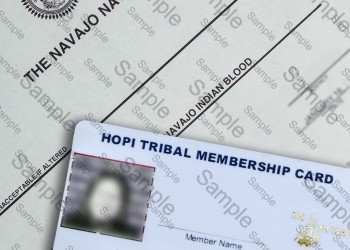
- Inauthentic Pieces: Be wary of mass-produced items falsely marketed as Native American. Look for artist hallmarks, reputable sellers, and certifications of authenticity.
- Misidentified Materials: Some sellers might misrepresent stabilized or dyed turquoise as natural, or use synthetic stones. Genuine pieces should specify "natural turquoise" if applicable.
- Poor Condition: Inspect the tie thoroughly for damage like cracked or loose stones, deep scratches on silver, or severely worn/frayed cords. While some patina is desirable on vintage items, excessive damage detracts from value.
- Overpaying: Research similar pieces and their market value. A trusted dealer like LomaSiiva will offer fair pricing based on authenticity and quality.
Caring for Your Vintage Bolo Tie
Proper care ensures your vintage bolo tie remains a cherished possession for years. Store your tie in a dry, airtight bag or box to prevent tarnishing, especially for sterling silver. Avoid exposing stones to harsh chemicals, perfumes, or extreme temperatures, which can damage their integrity and color. For cleaning, gently wipe silver with a soft cloth and a specialized silver cleaner, taking care around stones. Leather cords can be conditioned periodically with a leather conditioner to prevent drying and cracking.
If the cord becomes severely worn or the slide mechanism needs attention, consider professional Repair. Regular maintenance will preserve both the aesthetic appeal and structural integrity of your valuable piece.
Making Your Selection: A LomaSiiva Recommendation
Vintage Native American bolo ties offer a unique opportunity to own a piece of history and art. Whether you're drawn to the bold silverwork of the Navajo, the intricate stone artistry of the Zuni, or the symbolic overlay of the Hopi, there's a bolo tie that speaks to every taste. Each piece tells a story, reflecting the traditions and skills of its maker.
At LomaSiiva, we pride ourselves on offering a curated selection of authentic Native American Bolo Ties and other All Products, including stunning pieces like the Large .925 Sterling Silver Certified Authentic 3 Strand Navajo Native American Natural Turquoise Freshwater Pearl Necklace 750163, ensuring quality and provenance. We understand the importance of authenticity and offer a trusted source for collectors and enthusiasts alike. Explore our collection today and discover the perfect vintage Native American bolo tie to add to your collection. Learn more about our commitment to quality on our About us at LomaSiiva page.