Men's Native American Style Rings: A Comprehensive Buying Guide
Updated 2026-06-18
Men's Native American style rings are more than just accessories; they are wearable art deeply rooted in the cultural heritage and spiritual traditions of various Indigenous tribes across North America. Crafted with meticulous skill, these rings often feature sterling silver, natural gemstones like turquoise, coral, and onyx, and distinctive tribal designs, each telling a story of craftsmanship, identity, and connection to the land.
Key Features of Men's Native American Style Rings
When selecting a men's Native American style ring, several key features distinguish authentic, high-quality pieces:
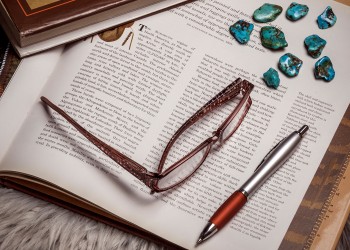
- Materials: Sterling silver (.925) is the most common base metal, known for its durability and luster. This is often paired with natural stones. Turquoise, prized for its varying shades of blue and green, is paramount. Indeed, archaeological evidence suggests turquoise has been mined and valued in the American Southwest for over 1,000 years, making it a stone deeply woven into the region's cultural fabric. Other popular stones include red coral, black onyx, lapis lazuli, and spiny oyster shell. The quality, origin, and natural state of these stones significantly impact the ring's value and aesthetic.
- Craftsmanship: Techniques vary by tribe and artist. Navajo artists are renowned for their intricate stamping, repoussé (hammered designs), and stone setting, often featuring large, prominent stones. Zuni artisans excel in delicate inlay work, creating mosaic patterns with small, precisely cut stones. Hopi jewelers are masters of overlay, a technique where two layers of silver are cut and soldered together to create raised designs with oxidized backgrounds. Each technique requires immense skill and patience.
- Design & Symbolism: Designs often incorporate elements from nature, spiritual beliefs, and tribal symbols. Feathers, bears, eagles, kokopelli, and geometric patterns are common motifs, each carrying specific cultural meaning. Understanding these symbols can deepen your appreciation for the piece and its heritage.
Understanding Sizing and Specifications
Proper sizing is essential for comfort and to prevent loss or damage to your ring. Native American style rings for men can vary significantly in their physical attributes:
- Standard Sizing: Men's rings typically follow the standard US ring size scale (e.g., 8-14). It's crucial to get an accurate measurement from a jeweler, especially for wide-band rings, which often require a slightly larger size (a quarter or half size up) for optimal comfort due to their broader contact with the finger.
- Width and Weight: Men's Native American style rings can range from slender bands to substantial, wide pieces. Consider how the ring will feel on your finger during daily wear and its visual impact. A wider band might be more comfortable if sized up by a quarter or half size.
- Adjustable vs. Fixed: While most high-quality, handcrafted rings are fixed sizes, some simpler designs, especially those with split shanks, might be slightly adjustable. However, repeatedly adjusting a ring can weaken the silver over time, so a fixed, correctly sized ring is always preferable for longevity and durability.
Price Ranges and Value Factors
The price of a men's Native American style ring is determined by several factors, reflecting the artistry and materials involved:
- Artist Reputation: Works by renowned or master jewelers, particularly those with a long history of craftsmanship, command higher prices due to their established skill and demand.
- Materials: The rarity, quality, and size of the gemstones (e.g., natural, untreated turquoise vs. stabilized or composite materials) and the weight of the sterling silver are significant price drivers. Heavier silver and higher-grade, natural stones increase value.
- Complexity of Work: Intricate designs, detailed hand-stamping, precision inlay, or multi-stone settings require more labor, time, and advanced skill, directly increasing the ring's value.
- Age and Provenance: Vintage or antique pieces, especially those with documented history or from historically significant periods, can be highly sought after by collectors and may fetch premium prices.
Generally, you can expect the following price ranges:
| Feature | Entry-Level Ring | Mid-Range Ring | High-End Ring |
|---|---|---|---|
| Materials | Standard silver, smaller/stabilized stones | Heavier silver, good quality stones, some natural | Substantial silver, high-grade natural stones, rare materials |
| Craftsmanship | Basic stamping, simple settings | Detailed stamping, competent stone setting/inlay | Intricate overlay, master-level inlay, complex stone arrangements |
| Artist | Unsigned or emerging | Established regional artist | Renowned master artist, signed piece |
| Price Estimate | $50 - $150 | $150 - $500 | $500+ |
Renowned Artists and Tribal Styles
The artistry of Native American jewelry is diverse, with each tribe having distinct traditions and iconic styles. Navajo jewelers, for instance, are celebrated for their bold silverwork, often featuring large turquoise stones set in bezels, surrounded by intricate stamped patterns. Many pieces you find at LomaSiiva, including our collection of Rings, showcase this classic style.
Zuni artists are famous for their precise stone-cutting and mosaic inlay, creating vibrant patterns with multiple small, precisely fitted stones. Hopi jewelers are known for their elegant silver overlay technique, creating striking contrasts between oxidized backgrounds and polished silver designs.
Artists like Arnold Yazzie are recognized for their contributions to these traditions. While Effie Calavaza is renowned for her iconic snake designs, which often appear on Jewelry, including rings, her work exemplifies the powerful symbolism found in Native American art. Exploring pieces from different artists and tribes, such as those found in our All Products collection, reveals the incredible breadth and depth of this art form.
Common Pitfalls and How to Avoid Them
Navigating the market for Native American style jewelry requires awareness to ensure you acquire an authentic, high-quality piece:
- Authenticity Concerns: The market can be flooded with imitations or mass-produced