Buying Guide: Native American Tribes & Art in Arizona
Updated 2026-06-18
Arizona is home to 22 federally recognized Native American tribes, each possessing a unique cultural heritage, language, and artistic tradition. These tribes are renowned for their profound connection to the land and their exquisite craftsmanship, which manifests in various art forms, from intricate jewelry to vibrant pottery and textiles. This guide explores their rich legacy and helps you appreciate and acquire authentic pieces.
Understanding the Rich Tapestry of Arizona's Native American Tribes
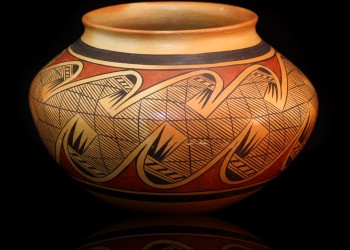
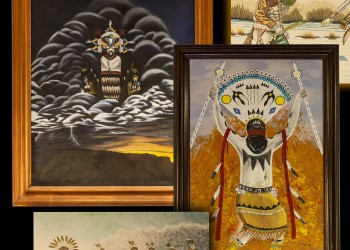
Arizona's landscape is as diverse as its indigenous populations. The state boasts the third-largest Native American population in the U.S., with tribes like the Navajo, Hopi, Zuni, Apache, and Tohono O'odham shaping its cultural identity. Each tribe carries a distinct history, spirituality, and artistic expression, passed down through generations. For instance, the Navajo Nation, the largest in terms of land area in the United States, is celebrated for its intricate rug weaving and silverwork. The Hopi people, who have continuously inhabited their villages for over 1,000 years, are world-renowned for their Katsina dolls and distinctive pottery. Understanding these unique backgrounds enriches the appreciation of their art.
Key Features of Tribal Art and Craftsmanship
When exploring Native American art from Arizona, you'll encounter a remarkable range of craftsmanship. The defining characteristics often include a deep connection to nature, spiritual symbolism, and meticulous handiwork. For example, Jewelry is a cornerstone, with tribes utilizing sterling silver, turquoise, coral, and other precious stones. Navajo silverwork is often characterized by substantial settings and traditional motifs like the squash blossom or thunderbird. Hopi jewelry, on the other hand, is famous for its silver overlay technique, creating striking contrasts. Zuni artists are masters of inlay and cluster work, often featuring intricate animal figures or detailed mosaic patterns. Beyond jewelry, you'll find exquisite Pottery, hand-woven textiles, and carved Kachina dolls, each telling a story of the artist's heritage and skill. LomaSiiva prides itself on offering a wide selection of authentic pieces, from delicate Pendants to ornate Earrings, ensuring every item reflects genuine tribal artistry.
Sizing, Specifications, and Authenticity in Native American Goods
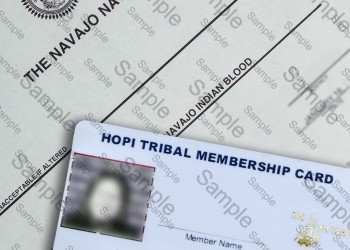
When purchasing Native American art, understanding specifications and ensuring authenticity are paramount. For items like Rings and Bracelets, sizing is crucial. Rings are typically measured in standard US sizes, while bracelets can vary from cuff styles to adjustable wrap designs. For example, a piece like the Certified Authentic Navajo Native American Natural Turquoise Adjustable Wrap Bracelet 12732-14 offers flexibility. Authenticity is verified through several indicators: artist signatures or hallmarks, the use of genuine materials (such as natural, untreated turquoise), and reputable sourcing. Many authentic pieces come with certificates of authenticity, confirming their tribal origin and handmade nature. Always look for .925 sterling silver stamps for silver jewelry. Reputable dealers like LomaSiiva prioritize transparency and provide details about the artist and tribal affiliation, ensuring you invest in a genuine piece of cultural heritage.
Price Ranges and Value Considerations
The price of Native American art varies significantly based on several factors: the artist's reputation, the rarity and quality of materials (e.g., natural vs. stabilized turquoise), the complexity of the design, and the age of the piece. Simple, contemporary Bolo Ties or small earrings might range from $50 to $200. More elaborate pieces, such as large squash blossom necklaces or museum-quality pottery, can command thousands of dollars. For example, a magnificent piece like the Handmade Certified Authentic Navajo .925 Sterling Silver Turquoise Squash Blossom Native American Necklace and Earrings Set Ray Begay 15740-17659 represents a significant investment in both artistry and heritage. Vintage pieces, especially those by renowned deceased artists, often appreciate in value. It's essential to consider your budget and what kind of piece you're seeking, whether it's an everyday accessory or a collector's item.
Top Tribes and Artists to Recognize
Arizona is a hub for some of the most influential Native American artists and tribal art traditions. Recognizing specific tribes and their signature styles can greatly enhance your buying experience:
| Tribe | Signature Art Forms | Key Materials | Common Motifs/Styles |
|---|---|---|---|
| Navajo | Silverwork, weaving, sand painting | Sterling silver, turquoise, wool | Squash blossom, thunderbird, Yei figures, geometric |
| Hopi | Kachina dolls, pottery, overlay jewelry | Wood, clay, sterling silver | Katsinas, sun, rain, corn, migration patterns |
| Zuni | Inlay/cluster jewelry, fetishes, pottery | Turquoise, coral, shell, jet, clay | Animal figures, intricate stone settings, pueblo designs |
| Apache | Basketry, beadwork, traditional clothing | Yucca, willow, glass beads | Geometric patterns, symbolic animals |
Artists such as Arnold Yazzie (Navajo) are celebrated for their distinctive silverwork, while the legacy of artists like Effie Calavaza (Zuni) continues through her iconic snake designs. Researching individual artists and their unique contributions will help you find pieces that resonate with your personal taste and appreciation for the craft.
Common Pitfalls and How to Avoid Them
Navigating the market for Native American art requires diligence to avoid common pitfalls. The most significant concern is authenticity. Unfortunately, the market is sometimes flooded with non-Native-made imitations, mass-produced items, or pieces misrepresented as genuine. To protect yourself, always look for:
- Artist Signatures/Hallmarks: Most authentic pieces will be signed or stamped by the artist.
- Material Quality: Be wary of terms like 'block turquoise' or 'stabilized' unless you understand their implications for value. Natural, untreated turquoise is generally more valuable.
- Seller Reputation: Purchase from established, reputable galleries or online stores that specialize in Native American art. Stores like LomaSiiva provide detailed product descriptions and artist information.
- Documentation: Ask for a certificate of authenticity if one isn't provided.
Our Recommendation: Investing in Authentic Heritage
Acquiring Native American art from Arizona is more than just a purchase; it's an investment in a rich cultural heritage and a testament to enduring artistic traditions. Each piece tells a story, carrying the spirit and skill of its creator. By choosing authentic, handcrafted items, you directly support Native American artists and their communities, helping to sustain their invaluable cultural practices for future generations. Whether you are looking for a statement piece for your collection or a meaningful gift, the beauty and history embedded in these works are truly unparalleled. We encourage you to explore the diverse offerings and find a piece that speaks to you.
Discover the beauty and authenticity of Native American art from Arizona. Shop All Products at LomaSiiva today and bring a piece of this profound heritage into your home.