Buying Guide: Native American Rings for Men
Updated 2026-06-18
Native American rings for men are distinctive pieces of jewelry, deeply rooted in the traditions and artistry of various Indigenous tribes across North America. These rings often feature intricate designs, natural stones like turquoise and coral, and precious metals, primarily sterling silver. Each piece tells a story, reflecting the cultural identity, beliefs, and artistic expressions of its maker. They are not merely accessories but powerful symbols of heritage, strength, and connection to the land, offering a unique blend of rugged elegance and profound meaning.
Key Features of Men's Native American Rings
When exploring Native American Rings for men, several key features stand out, making each piece unique and valuable. Understanding these elements is crucial for appreciating their artistry and ensuring authenticity.
Materials and Gemstones
The primary metal used in most Native American rings is sterling silver (.925), known for its durability and lustrous finish. Some contemporary pieces may also incorporate gold or other alloys. The choice of gemstones is equally significant, with Jewelry often featuring:
- Turquoise: The most iconic, revered for its varying shades of blue and green, often with a matrix (veining). Different mines produce distinct colors and patterns.
- Coral: Frequently seen in red hues, providing a striking contrast to turquoise.
- Onyx: Deep black, offering a bold and sophisticated look.
- Lapis Lazuli: A deep blue stone, sometimes flecked with pyrite.
- Mother of Pearl: Iridescent white, often used in inlay work.
- Spiny Oyster: Vibrant orange, red, and purple hues from a marine shell.
Craftsmanship and Tribal Styles
The artistic techniques and designs vary significantly by tribe, each carrying its own distinct aesthetic and symbolism:
- Navajo (Diné): Known for bold, substantial silverwork, often featuring large, cabochon-cut turquoise stones, stamp work, and traditional designs like the squash blossom (though more common in Necklaces & Pendants, elements can appear in rings). Navajo silversmiths are masters of casting and fabrication.
- Zuni: Famous for intricate inlay work, including needlepoint, petit point, and channel inlay, where small, precisely cut stones are set flush within silver channels. Often features multiple small stones.
- Hopi: Distinguished by overlay technique, where two layers of silver are used. The top layer is cut out with a design, exposing an oxidized (darkened) bottom layer, creating a striking contrast and intricate patterns.
- Santo Domingo (Kewa): Known for mosaic inlay and heishi (shell beads), often using stones like turquoise, jet, and shell.
Sizing and Specifications
Proper sizing is paramount for comfort and to prevent loss or damage. Men's rings typically feature wider bands than women's, which can affect the perceived fit. A wide band (8mm or more) may require a slightly larger size than a narrow band for the same finger.
- Measuring: It's best to have your finger professionally measured, especially for wide-band rings. Consider the time of day and temperature, as finger size can fluctuate.
- Adjustable vs. Fixed: While some rings are adjustable, most high-quality Native American rings are fixed sizes. Adjustable rings can be convenient but may not offer the same durability or aesthetic as a solid, fixed band.
- Silver Purity: Authentic Native American jewelry is almost exclusively made with .925 sterling silver, meaning 92.5% pure silver and 7.5% other metals (usually copper) for strength. This standard ensures quality and value.
Understanding Price Ranges
The price of Native American rings for men can vary significantly, from under $100 to several thousand dollars. Several factors contribute to this range:
- Artist's Reputation: Rings by acclaimed artists like Adel Morgan, Arnold Yazzie, or Effie Calavaza often command higher prices due to their skill, unique style, and collectible status.
- Materials: The size, quality, and rarity of the gemstones (e.g., highly sought-after Kingman or Sleeping Beauty turquoise) heavily influence the cost. The amount and gauge of sterling silver also play a role.
- Complexity of Design: Intricate overlay, detailed inlay, or complex casting techniques require more time and skill, increasing the value.
- Age and Provenance: Vintage or antique pieces, especially those with documented history, can be more valuable.
Here's a general comparison of factors influencing ring prices:
| Factor | Lower Price Range | Higher Price Range |
|---|---|---|
| Artist | Emerging / Unsigned | Renowned / Master Silversmith |
| Stones | Smaller / Common / Stabilized | Larger / Rare / Natural / High-Grade |
| Silver Weight | Lighter Gauge / Less Silver | Heavier Gauge / Substantial Silver |
| Craftsmanship | Simpler Stamp Work / Basic Settings | Intricate Inlay / Overlay / Advanced Casting |
Top Native American Artists and Brands
Investing in a piece by a recognized artist not only ensures quality but also supports the legacy of Native American artistry. At LomaSiiva, we pride ourselves on offering authentic pieces from a wide range of talented artists. Beyond the previously mentioned Adel Morgan, Arnold Yazzie, and Effie Calavaza, you might encounter exceptional works from others like Bryan Kewenvoyouma (Hopi overlay) or Carolynn Nez (Navajo traditional styles). Always look for artist hallmarks or signatures, which are often stamped into the silver, to verify the maker. Reputable sellers, like LomaSiiva, will always provide artist information and certification of authenticity.
Common Pitfalls to Avoid
When purchasing Native American rings, especially online, it's essential to be aware of potential issues:
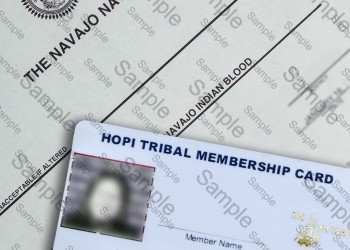
- Fake or Imitation Jewelry: Unfortunately, the market is flooded with mass-produced jewelry falsely advertised as Native American. These pieces often lack the craftsmanship, materials, and cultural integrity of authentic items.
- Misrepresentation of Stones: Be wary of terms like "block turquoise" or "reconstituted turquoise" if you're seeking natural stones. Always clarify if stones are natural, stabilized, or synthetic.
- Unscrupulous Sellers: Purchase only from reputable dealers who can provide documentation of authenticity, artist information, and a clear return policy.
- Lack of Hallmarks: While not all authentic pieces are hallmarked (especially older ones), it's a good indicator of authenticity and artist identification for newer works.
At LomaSiiva, we stand by the authenticity of our Native American jewelry, offering a 100% Money Back Guarantee and transparency about our products and artists.
Making Your Recommendation
Choosing a Native American ring for men is a deeply personal journey. Consider what resonates with you: the bold statement of a Navajo turquoise ring, the intricate elegance of a Zuni inlay, or the symbolic depth of a Hopi overlay. Think about the size and weight that will be comfortable for daily wear, and whether you prefer a single, striking stone or a multi-stone design. The ideal ring should not only complement your style but also connect you to the rich history and artistry it represents.
Whether you're drawn to the classic appeal of turquoise, the unique patterns of tribal overlay, or the meticulous detail of inlay, LomaSiiva offers a curated selection of authentic Native American rings for men. Explore our collection of All Products today and find a piece that speaks to your spirit and stands the test of time.
Explore the full range of authentic Native American Rings and other exquisite Jewelry at LomaSiiva. Find your perfect piece today!