A Guide to Buying Authentic Native American Pendants
Updated 2026-06-18
Native American pendants are unique pieces of jewelry handcrafted by Indigenous artists, primarily from tribes across the Southwestern United States. These pendants often feature natural materials like sterling silver, turquoise, coral, and various shells, showcasing intricate designs, spiritual symbols, and traditional techniques passed down through generations. They represent a rich heritage and profound connection to nature and culture, offering a beautiful way to carry a piece of history.
Key Features of Native American Pendants
Understanding the distinct characteristics of Native American pendants is crucial for appreciating their value and artistry. The choice of materials, the intricate craftsmanship, and the deep symbolism embedded in each piece are what set them apart.
- Materials: The most common material is sterling silver (.925), often adorned with natural stones. Turquoise, sourced from various mines (like Sleeping Beauty or Kingman), is perhaps the most iconic, known for its range of blue and green hues. Other popular stones include coral, lapis lazuli, mother-of-pearl, abalone, onyx, and spiny oyster shell. These materials are chosen not just for their beauty but often for their spiritual significance.
- Craftsmanship: Native American silversmiths employ a variety of techniques. Hand-stamping creates intricate patterns on silver, while repoussé involves hammering metal from the reverse side to create a raised design. Inlay work, where precisely cut stones are set flush into a silver base, is particularly striking. Zuni artists are renowned for their delicate Pendants featuring petit point and needlepoint techniques, using tiny, hand-cut stones.
- Symbolism: Many pendants feature designs that hold deep cultural and spiritual meaning. Common motifs include animals like bears (strength), eagles (wisdom, freedom), and turtles (longevity), as well as elements like the sun, moon, and stars. Figures like Kokopelli, the flute player, symbolize fertility and joy. For example, a Eagle .925 Sterling Silver Certified Authentic Handmade Hopi Native American Pendant 15919 embodies the spirit of the eagle, while a Turtle 12kt Gold Filled and .925 Sterling Silver Certified Authentic Handmade Very Delicate Navajo Native American Pendant 24472-99 represents endurance.
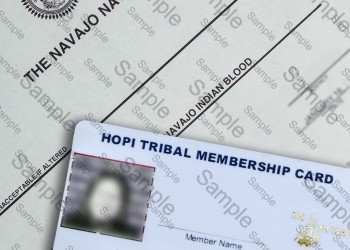
- Authenticity: Genuine Native American jewelry often bears the artist's hallmark or signature, along with a sterling silver stamp. Reputable dealers like LomaSiiva ensure that all pieces are certified authentic, guaranteeing their origin and craftsmanship.
Sizing and Specifications: Finding Your Perfect Pendant
When selecting a Native American pendant, consider its size, weight, and how it will hang. Pendants vary widely, from small, understated pieces perfect for everyday wear to large, bold statement pieces designed to draw attention.
- Dimensions: Measure the length and width of the pendant itself, not including the bail (the loop that connects it to a chain). Consider how it will lay on your chest and if its size complements your frame and preferred neckline.
- Bail Type: Pendants come with various bail designs. Some have fixed bails, while others feature hinged or open bails, offering more flexibility for different chain thicknesses. Ensure the bail opening is large enough to accommodate your chosen chain, leather cord, or bead necklace. Many Necklaces & Pendants are sold as a complete set, but if you're buying a pendant separately, this is a key consideration.
- Weight: The weight of a pendant can indicate its quality and the amount of silver used. Heavier pendants often signify a more substantial piece, crafted with thicker gauge silver, which adds to its durability and perceived value. Lighter pendants can be equally beautiful but might be better suited for delicate chains.
Price Ranges and Value Considerations
The price of Native American pendants can range significantly, influenced by factors such as the artist's reputation, the rarity and quality of the stones, the complexity of the design, and the overall size and age of the piece. Understanding these elements helps you assess value.
- Artist Recognition: Pendants by renowned master artists, such as Bryan Kewenvoyouma or Effie Calavaza, typically command higher prices due to their established legacy and unique artistic vision.
- Stone Quality: Natural, untreated turquoise, especially from now-closed mines, is highly sought after and can significantly increase a pendant's value. The color, matrix (veining), and cut of the stone all play a role.
- Craftsmanship and Complexity: Intricate inlay work, detailed hand-stamping, or multi-stone settings require greater skill and time, contributing to a higher price point compared to simpler designs.
- Age and Condition: Vintage or antique pendants in excellent condition can be particularly valuable, representing a piece of history and enduring artistry.
Pendant Comparison Table
| Feature Category | Entry-Level Pendant | Mid-Range Pendant | High-End Pendant |
|---|---|---|---|
| Materials | Sterling silver, common stabilized turquoise | Sterling silver, good quality natural turquoise, coral | Heavy gauge sterling silver, rare natural turquoise (e.g., Bisbee), unique inlay, sometimes gold accents |
| Craftsmanship | Basic stamping, simpler stone settings | Intricate stamping, channel inlay, cluster work, fine stone cutting | Masterful silversmithing, complex inlay, petit point, signed by renowned artists |
| Size | Small to medium (e.g., 1-2 inches) | Medium to large (e.g., 2-3 inches) | Large, substantial statement pieces (3+ inches) |
| Artist | Emerging or unsigned artists | Established artists with growing reputations | Highly sought-after, master artists with recognized hallmarks |
| Price Range | $50 - $200 | $200 - $800 | $800 - $5000+ |
Renowned Artists and Tribes
The world of Native American jewelry is rich with diverse artistic traditions, each tribe and often individual artist bringing their unique style and heritage to their work. Understanding these distinctions can deepen your appreciation for your chosen pendant.
- Navajo: Known for their robust silversmithing, Navajo artists often create pieces with heavy gauge silver, intricate hand-stamping, and repoussé techniques. They frequently feature large, impressive stones, particularly turquoise, and are famous for their squash blossom necklaces, which often include significant pendants.
- Zuni: Zuni artisans are celebrated for their intricate stone setting techniques, including inlay, petit point, and needlepoint. These styles involve meticulously cutting and setting numerous small stones, often creating mosaic-like patterns or delicate clusters.
- Hopi: Hopi jewelry is distinctive for its overlay technique, where two layers of silver are used. The top layer is sawn with a design, and the bottom layer is oxidized to create a contrasting background, highlighting symbolic figures often depicting animals, kachinas, or clan symbols. Artists like Alaric Polequaptewa are known for this style.
At LomaSiiva, you can find authentic pieces from a range of talented artists, including those with established reputations like Adel Morgan and Arnold Yazzie, ensuring you receive a piece of genuine artistry.
Common Pitfalls and How to Avoid Them
Navigating the market for Native American pendants requires a discerning eye to ensure you acquire an authentic, high-quality piece. Be aware of common issues to make a confident purchase.
- Fakes and Imitations: The most significant pitfall is unknowingly purchasing a non-authentic piece. Terms like "Native American style" often indicate mass-produced items not made by Indigenous artists. Always look for artist hallmarks, certificates of authenticity, and buy from reputable dealers. LomaSiiva specializes in certified authentic Native American Jewelry.
- Treated Stones: Not all natural stones are untreated. Turquoise, for instance, can be stabilized (epoxy-treated for hardness), dyed, or reconstituted (crushed stone mixed with resin). While stabilized turquoise is common and durable, natural, untreated turquoise is generally more valuable. Ensure you understand what you are buying.
- Overpaying: Prices can vary widely. Research similar pieces, artists, and stone qualities to ensure you're paying a fair market price. The comparison table above offers a general guide.
- Improper Care: Sterling silver can tarnish, and natural stones can be delicate. Avoid exposing your pendant to harsh chemicals, perfumes, or lotions. Store it in a dry, airtight place, ideally in a soft pouch, to prevent scratching and reduce tarnishing.
Choosing the Right Native American Pendant for You
Selecting the perfect Native American pendant is a personal journey, blending your aesthetic preferences with an appreciation for cultural heritage. Consider these points to guide your choice:
- Personal Style: Do you prefer a bold, statement piece or something more delicate for everyday wear? Consider the colors and designs that resonate with your existing wardrobe and Rings or Bracelets.
- Symbolism: If particular animals, elements, or cultural motifs hold meaning for you, seek out pendants that incorporate those symbols. This adds a deeper layer of personal connection to your jewelry.
- Budget: Set a realistic budget based on the quality of materials, the artist's reputation, and the complexity of the design you desire. Remember that a higher price often reflects superior craftsmanship and rarer stones.
- Authenticity and Reputation: Always prioritize purchasing from a trusted source. LomaSiiva stands by its products, offering certified authentic pieces and a 100% Money Back Guarantee, giving you peace of mind with your investment.
Ready to discover your own piece of wearable history? Explore the exquisite collection of certified authentic Native American Pendants at LomaSiiva today and find a unique treasure that speaks to your soul.